Understanding Gold Purity: 18K, 22K, and 24K Gold Explained
When buying gold in Kerala, understanding purity levels is crucial for making the right choice. Gold is measured in karats (K), which indicate the percentage of pure gold in the alloy. Let’s explore the different purity levels and their uses.
What is Gold Purity?
Gold purity is measured in karats, with 24K being the purest form. Pure gold (24K) is too soft for jewelry, so it’s mixed with other metals like copper, silver, or zinc to create alloys of different karat values.
Gold Purity Levels Explained
24K Gold (99.9% Pure)
- Purity: 99.9% pure gold
- Characteristics: Bright yellow color, very soft and malleable
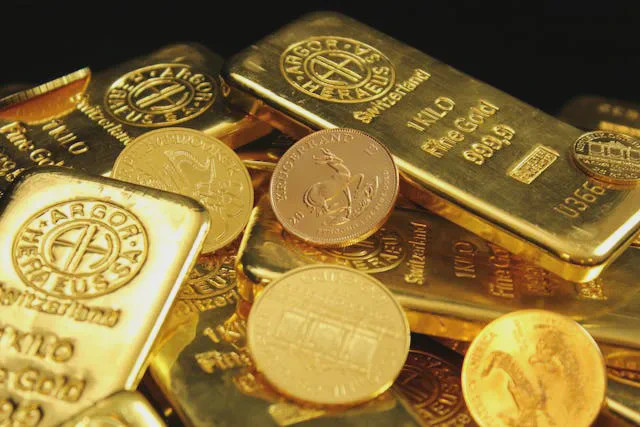
- Best For: Investment, gold coins, bars
- Not Ideal For: Daily wear jewelry (too soft, scratches easily)
- Price: Highest price per gram
22K Gold (91.7% Pure)
- Purity: 91.7% gold, 8.3% other metals
- Characteristics: Rich yellow color, durable yet malleable
- Best For: Traditional jewelry, especially in Kerala
- Common Use: Most popular for Indian gold jewelry
- Price: Lower than 24K, higher than 18K
18K Gold (75% Pure)
- Purity: 75% gold, 25% other metals
- Characteristics: Slightly less yellow, more durable
- Best For: Modern jewelry, rings, chains
- Common Use: Contemporary designs, diamond settings
- Price: More affordable than 22K and 24K
Which Karat is Best for You?
For Traditional Kerala Jewelry
22K Gold is the preferred choice because:
- Traditional designs require the malleability of 22K
- Cultural preference for higher purity
- Better resale value in Kerala market
- Suitable for intricate Kerala designs
For Investment
24K Gold is ideal because:
- Pure gold has universal value
- No making charges (for coins/bars)
- Easy to sell anywhere
- Best for long-term investment
For Modern Jewelry
18K Gold works well because:
- More durable for daily wear
- Better for settings with gemstones
- Modern, contemporary designs
- Lower making charges
Understanding Making Charges
Making charges vary by karat:
- 24K: Minimal or no making charges (for coins/bars)
- 22K: Moderate making charges (6-15% typically)
- 18K: Higher making charges (10-20% typically)
Price Calculation
When buying gold jewelry, the total price includes:
- Gold Rate: Current market rate per gram × weight × purity percentage
- Making Charges: Percentage of gold value or fixed per gram
- GST: 3% on gold + making charges
Example for 22K Gold:
- Gold rate: ₹5,838 per gram (22K)
- Weight: 10 grams
- Making charge: 10% = ₹5,838
- Subtotal: ₹64,218
- GST (3%): ₹1,926.54
- Total: ₹66,144.54
Hallmark Certification
Always look for BIS (Bureau of Indian Standards) hallmark certification which guarantees:
- Purity level (22K, 18K, etc.)
- Fineness number (916 for 22K, 750 for 18K)
- Assay center mark
- Year of marking
Tips for Kerala Gold Buyers
- 22K is Standard: Most Kerala jewelers work primarily with 22K gold
- Check Hallmark: Always verify BIS hallmark for purity assurance
- Compare Rates: Check current rates across different districts
- Understand Making Charges: Negotiate making charges, they’re not fixed
- Resale Value: 22K and 24K have better resale value than 18K
Common Misconceptions
- Higher Karat = Better: Not always true; depends on your purpose
- 24K is Best for Jewelry: Actually too soft for most jewelry
- All 22K Gold is Same: Purity is same, but quality of alloy metals can vary
- Making Charges are Fixed: They’re negotiable, especially for larger purchases
Understanding gold purity helps you make informed decisions whether you’re buying for investment, traditional occasions, or modern jewelry. Always buy from certified jewelers and verify the hallmark to ensure you’re getting the purity you’re paying for.
1 GM 24K (999.9+) Pure Gold Coin - Rose Design
This 1 gram 24K (999.9+) pure gold coin features an elegant rose motif and is minted by a certified refinery. Ideal for gifting, small investments, or conversion into jewellery, it comes with assured purity and buyback support as per seller terms.
- ✔ Individually numbered CertiCard
- ✔ Assured buyback at live market price
- ✔ BIS & LBMA certified purity
- ✔ Ideal for gifting & small investments
As an Amazon Associate, we may earn a commission from qualifying purchases without any additional cost to you.
Related Articles

Will US–Iran War Push Gold Prices Higher in Kerala?
Geopolitical tensions in the Middle East are once again making global headlines, with rising …
Read more →
Digital Gold in India: Is It a Smart Way to Invest in Gold Today?
In our previous post, we explored the various ways to invest in gold—from jewellery and coins to …
Read more →
Gold May Cross $5,000: Is ₹15,000 per Gram Next for Kerala 22K Gold?
Gold prices are once again in the spotlight. Global markets are increasingly discussing the …
Read more →